
Dispelling Myths about Remanufactured Laptops

Did you know that the IT industry contributes over 2% of global carbon dioxide emissions? Organisations are becoming more aware of how everyday activities affect the environment and the actions they need to take to reduce their carbon footprint. If you work for an organisation that wants to reduce its carbon footprint, enabling an IT sustainable procurement strategy will significantly contribute to your environmental, social, and governance (ESG) criteria without compromising its requirements. At Espria, we fully appreciate and understand the need for laptops and technology; however, we do not know why businesses throw away perfectly functional laptops simply because they are a few years old and the warranty has run out. 70% of these devices could be reused, refurbished or remanufactured, all of which helps to cut down on the production of new devices and usage of raw materials.
Why use Remanufactured Laptops?
Firstly, what is so special about a Remanufactured laptop? Remanufactured laptops go through an extensive 5+ hour remanufacturing process and 360-point quality checks to deliver unrivalled quality and consistency you can rely on. All parts that are not defective are reused, and the device is rebuilt and refinished inside and out, while any damaged components are replaced or upgraded. Finally, all devices are remanufactured to BS 8887 standards by fully-qualified technicians in a purpose-built state of the art production facility. The ISO9001 accredited remanufacturing processes mean that we can guarantee consistent quality of the same model in large volumes, and with comprehensive cosmetic detailing, every laptop is refinished to exacting quality standards. All devices come with a one-year replacement warranty which can be extended to three years together with a one year warranty for the batteries, giving you peace of mind.
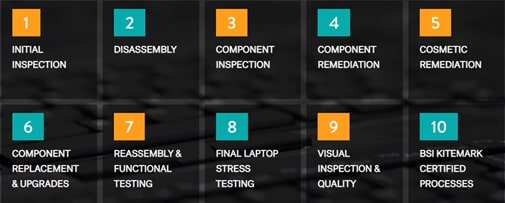
The Environmental Benefits of Remanufactured Laptops
Many organisations are looking at becoming Carbon Neutral, and restoring your IT equipment is a great way of contributing to protecting our planet. The resources needed to build a laptop from scratch are vast, and the IT industry must work harder to ensure that our e-waste is dealt with properly, such as through legitimate recycling centres for reuse or repurposing. All our remanufactured devices are certified Carbon Neutral, and we plant five trees for each laptop delivered. It is estimated that every laptop reused saves 1,200kgs of waste and 190,000 litres of water compared to purchasing brand new. Those businesses who have pledged to achieve net-zero and other environmental initiatives can put forward, in confidence, remanufactured laptops as a way of reducing their carbon footprint and e-waste for their organisation. Not only that, but having purchased your device, we can take the product back when you are finished with it so that we can begin the process all over again. If you would like to find out the positive impact you could make by switching to sustainable IT, then why not use a sustainable IT Calculator like this one. We have seen in recent months a scarcity of devices and rising costs for IT equipment. This, however, doesn’t need to become an issue for you. Espria & Circular Computing offer consistent availability of computing equipment that can cost 40% less than purchasing brand new. On top of that, we can help meet your environmental goals, whether becoming Carbon Neutral or simply doing your bit for the environment. Courtesy of our partners at Circular Computing, Espria offers you the chance to purchase Carbon Neutral Remanufactured Laptops at great prices. Why not start by arranging for a trial unit to be sent to your door for you to try. Click here to fill out our form, and a member of the Espria team will contact you to discuss your needs.
You may be interested in
From AI Experimentation to Real Business Outcomes: Our Takeaways from Microsoft Frontier Tour London
This week, Pete Graham, Microsoft Business Manager at Espria, attended Microsoft Frontier Tour London alongside members of the wider Espria team to hear directly from Microsoft leaders, partners and customers about the future of artificial intelligence. Having attended Microsoft’s AI Tour last year, Pete was interested to see how the conversation had evolved over the past 12 months. What became clear throughout the day was that the discussion around AI has matured significantly. A year ago, many organisations were still asking what AI could do. Today, the focus is increasingly on how to adopt it…
Critical PHP vulnerabilities: do you know who owns the fix?
When websites and applications sit with different teams and suppliers, the first challenge is knowing who needs to act. Critical vulnerabilities have been disclosed affecting PHP, a technology widely used across websites, web applications and other software products. The technical advice is clear: identify affected systems and apply the available updates. But for many organisations, the first challenge is understanding where PHP is being used, who manages those systems and who is responsible for taking action. To help you identify potential exposure, we have created a PHP Security Checker to determine whether your systems have…
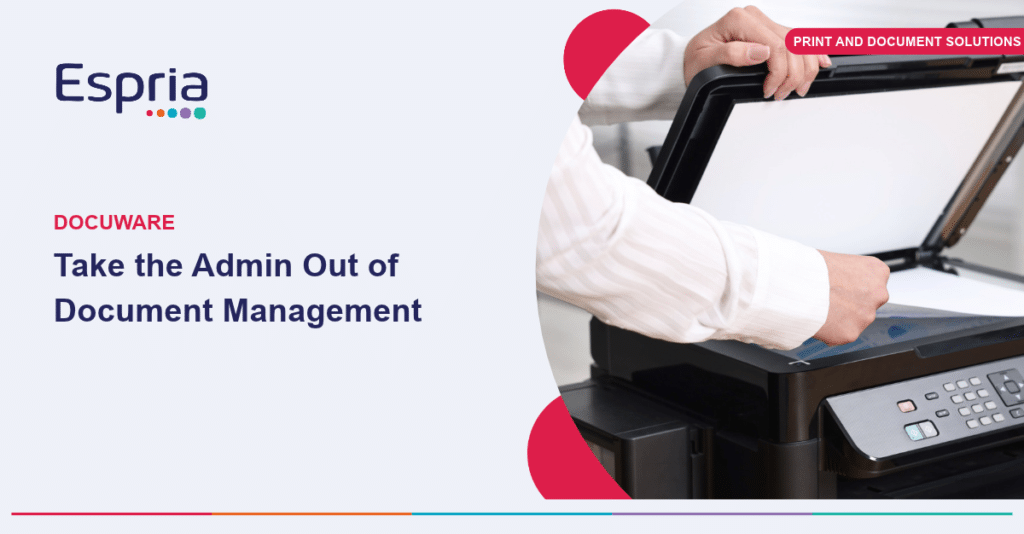
Beyond the Filing Cabinet: What Document Management Actually Saves You
Document Management for Small Offices with DocuWare For many small offices, document management still means a filing cabinet, a shared drive with inconsistent folder names, and a lot of time spent searching for the one contract or invoice somebody needs right now. DocuWare replaces that with a structured, searchable system that sits behind your everyday paperwork. What does DocuWare mean in practice? Giving Office Managers time back For an Office Manager who is often the person holding the whole administrative process together, this is time back. Fewer interruptions to find a document for a colleague,…
Copilot vs. Claude
Why Microsoft 365 Copilot fits every day work A plain-English guide for people trying AI at work: what Copilot does, how it differs from a separate assistant such as Claude and where to start. The short answer Claude is a separate AI workspace. Copilot sits inside the Microsoft apps many teams already use and can work with the emails, files and meetings each person is allowed to access. A separate assistant helps when: Copilot helps when: – You need help creating or developing content from scratch. – The task is focused research, reasoning or code….
Microsoft is changing Copilot billing. Here’s how to stay in control of AI costs
From 1 December 2026, new Microsoft 365 Copilot Business purchases through CSP will come with usage-based billing already configured. At first glance, that might sound like another variable cost for IT and finance teams to manage. But it also gives businesses a practical way to access the next generation of Copilot experiences while retaining control over who can use them, how much they can spend and where that money goes. This matters because Copilot is changing. New experiences such as Copilot Cowork are designed to carry out larger, multi-step pieces of work. That creates more…

Phishing just got personal
AI-powered phishing attacks are becoming harder to detect, with increasingly sophisticated emails bypassing traditional security controls. As a result, organisations are placing greater focus on Human Risk Management, recognising employee behaviour as a measurable cybersecurity risk. SecureLearn, powered by KnowBe4 and fully managed by Espria, helps businesses reduce human risk through continuous security awareness training, phishing simulations, targeted coaching, and board-ready reporting that demonstrates improvement over time.