
C-Suites Must Eliminate Security Friction or Risk Systemic Network Failures, say Espria

Leading managed services provider Espria warns that traditional security measures are slowing down workforces and failing to stop lateral movement attacks.
With businesses grappling with the productivity lag of legacy security – lost employee time, operational inefficiencies and disrupted workflows – the current approach to employee protection is only continuing to create dangerous friction that compromises operations. Cyber threats have evolved from simple data theft to sophisticated business continuity disruption, leaving organisations with a paradox of addressing both their greatest asset and most significant vulnerability; its workforce.
Only a strategic pivot to Zero Trust architecture can enable organisations to secure modern hybrid workplaces and make security invisible but uncompromising. This is argued by Brian Sibley, Virtual CTO at Espria.
Let’s not forget that the National Cyber Security Centre has recently updated its “Demystifying Zero Trust” guidance within the Zero Trust Architecture collection, reaffirming eight core principles for enterprise adoption, a clear signal that addressing this issue is now a matter of urgency.
“The C-suite leadership challenge for 2026 is not just about locking down your network but protecting employees without slowing down operations. Clunky VPNs, endless password resets and intrusive authentication steps are leading to mass user fatigue and corners being cut entirely. This friction is not just a mild inconvenience, but a security flaw that attackers are actively aiming to exploit.
“Today’s boardrooms need to shift their security approach. Too many organisations are continuing to operate on the outdated model of ‘trust but verify.’ This is creating massive barriers for employees simply trying to do their jobs.”
Sibley continues by outlining the need to flip the script and build confidence through a Zero Trust approach.
“Zero Trust is about building confidence rather than additional hurdles for employees. When we remove the friction and allow employees to work remotely yet securely – without needing to jump through extensive hoops – we’re not just improving their working experience but creating stronger business security.
“Behind the scenes, every login is verified and every device assessed. If a credential looks compromised or a location appears anomalous, the system can react instantly, isolating risk before it spreads. This allows employees to focus on performance, rather than worrying if their next click could cost the company millions.”
Sibley continues, “Modern cybercriminals are focusing on lateral movement attacks, transforming a single compromised account quickly into a systemic failure. High-profile breaches throughout 2025 have demonstrated that even the most sophisticated organisations can be undone by implicit trust within business networks.
“A Zero Trust approach mitigates this by transforming security from a reactive firefight into proactive resilience. By segmenting networks and automating responses, businesses can limit the “blast radius” of any potential intrusion.”
Sibley concludes by addressing the strategic payoff for C-suites across UK businesses.
“For CEOs and CFOs, the move to Zero Trust offers benefits that extend far beyond the IT department. By stopping lateral movement, companies significantly lower the risk of financial shocks and reputational crises, and proactive, auditable security measures keep regulators satisfied and penalties at bay. Robust security measures can then become a competitive differentiator rather than a backend necessity.”
“Zero Trust is not just about technology, but also a leadership mindset. In choosing to build a more robust security approach, CEOs and their senior leaders have the power to make their business security a growth enabler, not a constraint, lest they risk becoming the next big cyberattack headline in the new year.”
You may be interested in
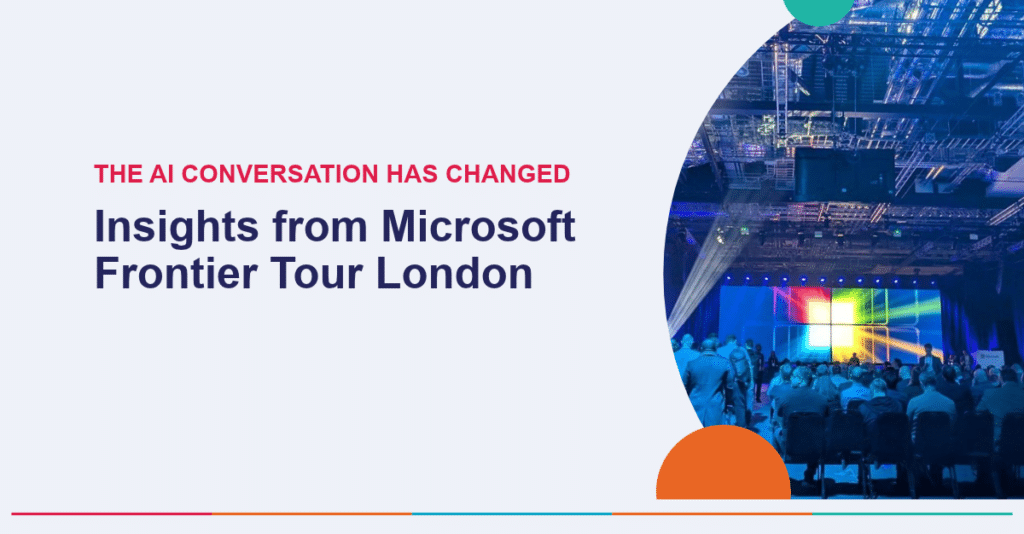
From AI Experimentation to Real Business Outcomes: Our Takeaways from Microsoft Frontier Tour London
This week, Pete Graham, Microsoft Business Manager at Espria, attended Microsoft Frontier Tour London alongside members of the wider Espria team to hear directly from Microsoft leaders, partners and customers about the future of artificial intelligence. Having attended Microsoft’s AI Tour last year, Pete was interested to see how the conversation had evolved over the past 12 months. What became clear throughout the day was that the discussion around AI has matured significantly. A year ago, many organisations were still asking what AI could do. Today, the focus is increasingly on how to adopt it…
Critical PHP vulnerabilities: do you know who owns the fix?
When websites and applications sit with different teams and suppliers, the first challenge is knowing who needs to act. Critical vulnerabilities have been disclosed affecting PHP, a technology widely used across websites, web applications and other software products. The technical advice is clear: identify affected systems and apply the available updates. But for many organisations, the first challenge is understanding where PHP is being used, who manages those systems and who is responsible for taking action. To help you identify potential exposure, we have created a PHP Security Checker to determine whether your systems have…
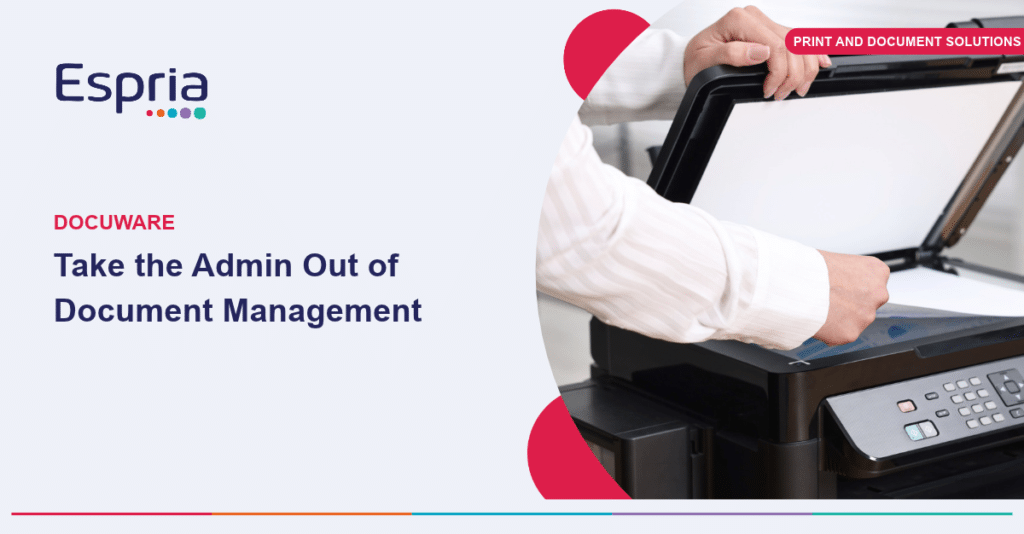
Beyond the Filing Cabinet: What Document Management Actually Saves You
Document Management for Small Offices with DocuWare For many small offices, document management still means a filing cabinet, a shared drive with inconsistent folder names, and a lot of time spent searching for the one contract or invoice somebody needs right now. DocuWare replaces that with a structured, searchable system that sits behind your everyday paperwork. What does DocuWare mean in practice? Giving Office Managers time back For an Office Manager who is often the person holding the whole administrative process together, this is time back. Fewer interruptions to find a document for a colleague,…
Copilot vs. Claude
Why Microsoft 365 Copilot fits every day work A plain-English guide for people trying AI at work: what Copilot does, how it differs from a separate assistant such as Claude and where to start. The short answer Claude is a separate AI workspace. Copilot sits inside the Microsoft apps many teams already use and can work with the emails, files and meetings each person is allowed to access. A separate assistant helps when: Copilot helps when: – You need help creating or developing content from scratch. – The task is focused research, reasoning or code….
Microsoft is changing Copilot billing. Here’s how to stay in control of AI costs
From 1 December 2026, new Microsoft 365 Copilot Business purchases through CSP will come with usage-based billing already configured. At first glance, that might sound like another variable cost for IT and finance teams to manage. But it also gives businesses a practical way to access the next generation of Copilot experiences while retaining control over who can use them, how much they can spend and where that money goes. This matters because Copilot is changing. New experiences such as Copilot Cowork are designed to carry out larger, multi-step pieces of work. That creates more…

Phishing just got personal
AI-powered phishing attacks are becoming harder to detect, with increasingly sophisticated emails bypassing traditional security controls. As a result, organisations are placing greater focus on Human Risk Management, recognising employee behaviour as a measurable cybersecurity risk. SecureLearn, powered by KnowBe4 and fully managed by Espria, helps businesses reduce human risk through continuous security awareness training, phishing simulations, targeted coaching, and board-ready reporting that demonstrates improvement over time.