
Unchecked Microsoft 365 Accounts could Become the Next Business Security Crisis, says Espria

Ensuring licenses are regularly reviewed, right sized and aligned with actual usage will keep costs under control even as prices rise.
The UK’s new Cyber Security & Resilience Bill is set to bring businesses, not just MSPs, under stricter regulatory control, including tighter rules around resilience planning, faster reporting of cyber incidents, and stricter expectations for maintaining secure systems.
The Cyber Security & Resilience Bill increases pressure on organisations to tighten identity governance and reduce avoidable attack surfaces. This directly impacts Microsoft 365 environments, where dormant or “zombie” accounts become a material compliance and security risk. Microsoft’s renewal process enables zombie accounts because auto‑renewal keeps every licence active by default, even those tied to ex‑employees. The M365 Admin Centre gives limited visibility, making dormant identities hard to spot but this has lead to bloat, inefficiencies and in turn, increased risk.
“As businesses enter licence renewal season, dormant Microsoft 365 accounts become not just a budget leak but also a compliance risk. With employee turnover typically highest in January and finance teams tightening budgets for the year ahead, unused accounts often slip through unnoticed,” said Stephen Cook at Espria.
At the same time, Microsoft is significantly increasing the embedded security value within its licenses. From 2026, Microsoft 365 E5 will automatically include Security Copilot, adding AI-powered support across Microsoft’s security tools. While this gives organisations more security out of the box, it also means poorly managed or unused licences now carry greater risk as well as unnecessary cost.
“With commercial pricing changes taking effect from July 2026, Microsoft is signalling increased value. These changes mean organisations often have far stronger security tooling than they realise, but unused licences completely undermine that value, carrying greater security risk. The result is an exposed attack surface which must be addressed before it snowballs into something bigger.”
IT teams may buy licenses in bulk for volume discounts, but there can be a disconnect between purchasing decisions and actual license usage.
“To simplify procurement, IT leaders might buy large quantities of licenses, but these often get distributed without a true understanding of who needs what. Multiple, unused subscriptions create disconnected systems, fragmented information and excessive time spent on admin that employees could be spending on growth or service.
“Simply understanding what’s already in your M365 toolbox is a gamechanger. Businesses should be able to track real-time insights into licenses so they can be purchased based on needs rather than outdated estimates.
Cook also believes governance plays an important role in preventing licences from incurring unnecessary costs or introducing avoidable risks.
“Employees leave and accounts become obsolete, but their licenses remain active, consuming resources, including storage space and costs, as well as futile resource allocation due to unnecessary maintenance of these accounts.
“It can also become a common entry point for attackers as credential stuffing and phishing attacks often target these neglected identities. Not to mention that these accounts may violate regulatory compliance requirements, especially as industries become stricter with data protection regulations.
“Businesses must enforce periodic reviews to identify and reclaim unused or unnecessary licenses. By automating the deactivation process, organisations only pay for active users, reducing the cost of unused licenses. This may include setting expiration dates to automatically revoke access for inactive accounts after a specified period and access review tools that allows administrators to review access permissions.”
Cook added that simple benchmarking can be an effective way for organisations to regain control of licensing decisions.
“Espria has introduced a tool that helps businesses compare their Microsoft 365 licensing costs with typical industry patterns, highlighting potential mismatches between spend, usage and security coverage. This kind of insight is becoming increasingly valuable as Microsoft adds more security features and adjusts pricing ahead of 2026.”
Cook concluded, “right-sizing licences, removing unused accounts and aligning tools to job roles reduces both spend and attack surface. With pricing changes landing in July 2026, organisations that understand which advanced features are actually enabled will be best placed to control costs and strengthen cyber resilience. The proper insight into user profiling and regular audits, unnecessary costs can allow businesses optimise every penny spent.”
You may be interested in
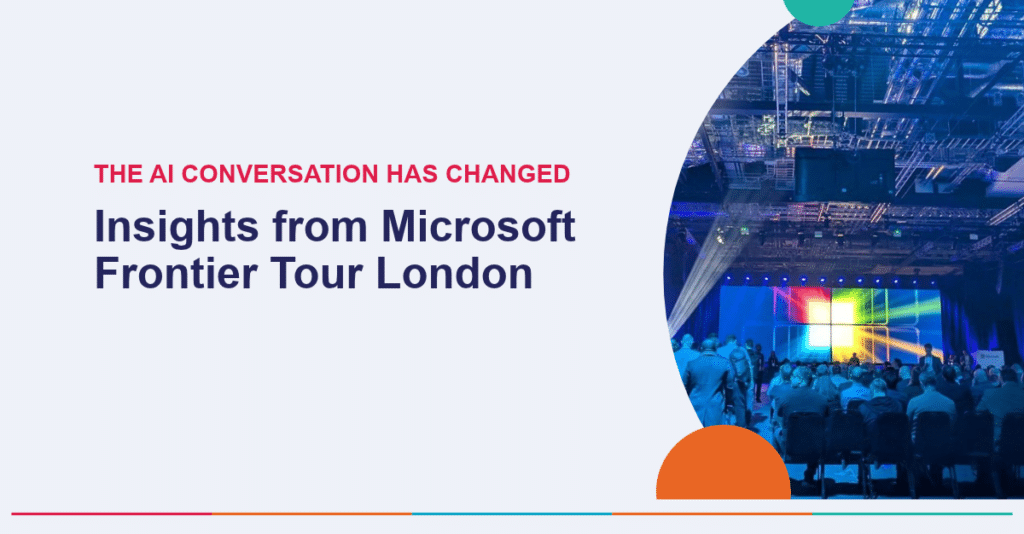
From AI Experimentation to Real Business Outcomes: Our Takeaways from Microsoft Frontier Tour London
This week, Pete Graham, Microsoft Business Manager at Espria, attended Microsoft Frontier Tour London alongside members of the wider Espria team to hear directly from Microsoft leaders, partners and customers about the future of artificial intelligence. Having attended Microsoft’s AI Tour last year, Pete was interested to see how the conversation had evolved over the past 12 months. What became clear throughout the day was that the discussion around AI has matured significantly. A year ago, many organisations were still asking what AI could do. Today, the focus is increasingly on how to adopt it…
Critical PHP vulnerabilities: do you know who owns the fix?
When websites and applications sit with different teams and suppliers, the first challenge is knowing who needs to act. Critical vulnerabilities have been disclosed affecting PHP, a technology widely used across websites, web applications and other software products. The technical advice is clear: identify affected systems and apply the available updates. But for many organisations, the first challenge is understanding where PHP is being used, who manages those systems and who is responsible for taking action. To help you identify potential exposure, we have created a PHP Security Checker to determine whether your systems have…
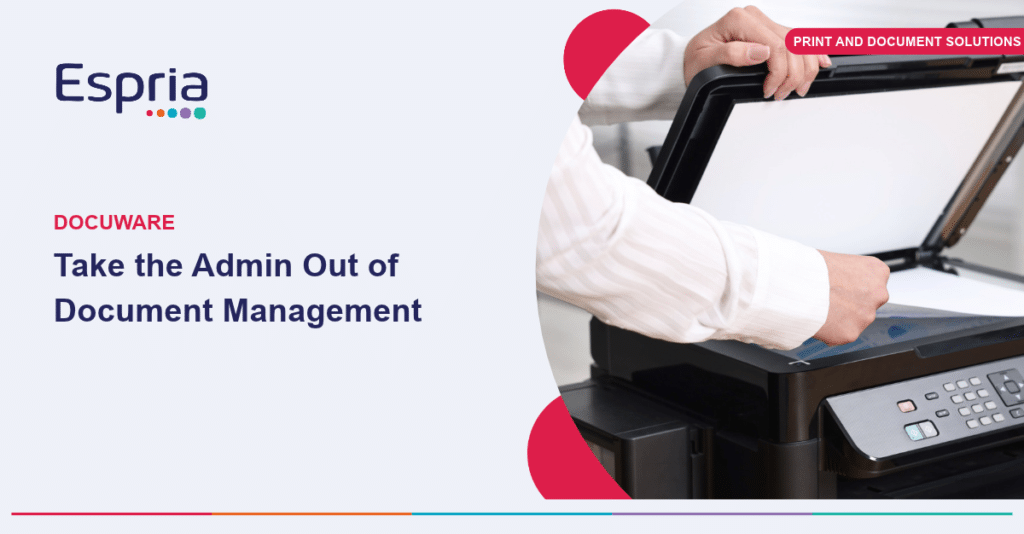
Beyond the Filing Cabinet: What Document Management Actually Saves You
Document Management for Small Offices with DocuWare For many small offices, document management still means a filing cabinet, a shared drive with inconsistent folder names, and a lot of time spent searching for the one contract or invoice somebody needs right now. DocuWare replaces that with a structured, searchable system that sits behind your everyday paperwork. What does DocuWare mean in practice? Giving Office Managers time back For an Office Manager who is often the person holding the whole administrative process together, this is time back. Fewer interruptions to find a document for a colleague,…
Copilot vs. Claude
Why Microsoft 365 Copilot fits every day work A plain-English guide for people trying AI at work: what Copilot does, how it differs from a separate assistant such as Claude and where to start. The short answer Claude is a separate AI workspace. Copilot sits inside the Microsoft apps many teams already use and can work with the emails, files and meetings each person is allowed to access. A separate assistant helps when: Copilot helps when: – You need help creating or developing content from scratch. – The task is focused research, reasoning or code….
Microsoft is changing Copilot billing. Here’s how to stay in control of AI costs
From 1 December 2026, new Microsoft 365 Copilot Business purchases through CSP will come with usage-based billing already configured. At first glance, that might sound like another variable cost for IT and finance teams to manage. But it also gives businesses a practical way to access the next generation of Copilot experiences while retaining control over who can use them, how much they can spend and where that money goes. This matters because Copilot is changing. New experiences such as Copilot Cowork are designed to carry out larger, multi-step pieces of work. That creates more…

Phishing just got personal
AI-powered phishing attacks are becoming harder to detect, with increasingly sophisticated emails bypassing traditional security controls. As a result, organisations are placing greater focus on Human Risk Management, recognising employee behaviour as a measurable cybersecurity risk. SecureLearn, powered by KnowBe4 and fully managed by Espria, helps businesses reduce human risk through continuous security awareness training, phishing simulations, targeted coaching, and board-ready reporting that demonstrates improvement over time.