
UK SMEs must fortify their cybersecurity against geopolitical risks, says Espria
A recent Sky News investigation highlighted an uptick in cyberattacks tied to the Iran conflict that are targeting businesses across multiple sectors. Speaking at the NATO Summit, Prime Minister Sir Keir Starmer urged UK businesses, regardless of size or sector, to prioritise cybersecurity and ‘take immediate steps to review and strengthen their defences.’
While the warning is timely in tone, businesses are already becoming targets of politically motivated cyberattacks, emphasising the need for heightened vigilance.
“As tensions spread globally, threat actors will continue to exploit digital vulnerabilities, and neutral businesses may be caught in the crossfire. These organisations offer low-risk targets for these cyber criminals to make an impact,” said Clinton Groome, CEO, at Espria.
“This message from the UK government warns businesses of the cyber political risk now prevalent, but the lateness in the message raises concerns over lack of proactive action and teaches an important lesson; businesses should not wait for official alerts to act. Instead, IT leaders should take a proactive stance by investing in integrated defences, educated users, and a clear strategy to prepare.”
A common weakness among businesses is human error yet cyber awareness continues to be under-emphasised. Before implementing IT upgrades and new tools, Groome urges organisations to fortify their front line of defence: the human firewall.
“Businesses must recognise that in these politically driven times, it’s not just systems under pressure – it’s people. Digitalisation tools go hand in hand with adequate cyber resilience as threat actors exploit distraction, fear, and information overload to push social engineering attacks. A recent BT study revealed that 39% of SMEs, equivalent to a staggering 2 million businesses, have not arranged cyber security training for their teams, emphasising the underprepared nature of businesses who are left dangerously exposed.
“As discussed in our recent human risk webinar, fostering cyber awareness company-wide is essential to business security. This involves resilience drills such as incident response exercises, real-world scenarios, reporting mechanisms, and most importantly, consistent reinforcement to retain the information taught. Continuous education and behaviour-focused defences can form a workforce that is both informed and aware enough to report suspicious activity.
“Combined with regular cyber measures like multi-factor authentication, regular patching, and securing IoT, businesses can create a layered defence that limits the likelihood of human error, while containing any fallout. It’s also worth noting that the end of support for Window 10 in October also presents an opportunity for the criminal fraternity as it will no longer be patched or supported and an early move to Windows 11 is recommended.
Groome continued, “Observability is also a team sport and to relieve cyber pressure on employees, businesses must prioritise integrated visibility. Integration across telemetry sources can give IT teams the ability to connect the vulnerability points across their environment from identity systems, endpoints, emails, and cloud environments.
“Previously missed amongst the busy business network, subtle cyber indicators such as unusual logins, repeated MFA requests, or lateral movement can be identified and handled before systems are compromised. This bigger picture can give organisations the context needed to respond with precision and in short, turn siloed data into a focused threat picture that provides actionable insight.”
“Deploying and managing these tools can be complex and resource-intensive, and some businesses can find this task costly. However, external expertise or partnerships can scale telemetry integration and provide cyber training that supports a proactive defence in the face of rising geopolitical threat activity.”
Groome concluded, “The escalation of global tensions has brought focus to cybersecurity and preventing common attacks. With the right telemetry integration, training and expert support, businesses can create a layered defence that empowers employees with threat knowledge and have oversight on all business functions.”
You may be interested in
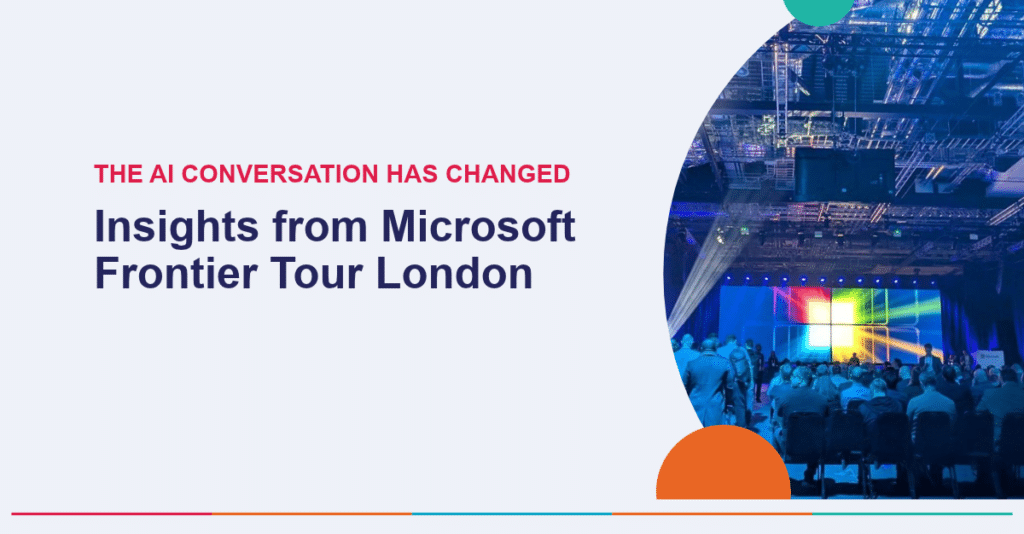
From AI Experimentation to Real Business Outcomes: Our Takeaways from Microsoft Frontier Tour London
This week, Pete Graham, Microsoft Business Manager at Espria, attended Microsoft Frontier Tour London alongside members of the wider Espria team to hear directly from Microsoft leaders, partners and customers about the future of artificial intelligence. Having attended Microsoft’s AI Tour last year, Pete was interested to see how the conversation had evolved over the past 12 months. What became clear throughout the day was that the discussion around AI has matured significantly. A year ago, many organisations were still asking what AI could do. Today, the focus is increasingly on how to adopt it…
Critical PHP vulnerabilities: do you know who owns the fix?
When websites and applications sit with different teams and suppliers, the first challenge is knowing who needs to act. Critical vulnerabilities have been disclosed affecting PHP, a technology widely used across websites, web applications and other software products. The technical advice is clear: identify affected systems and apply the available updates. But for many organisations, the first challenge is understanding where PHP is being used, who manages those systems and who is responsible for taking action. To help you identify potential exposure, we have created a PHP Security Checker to determine whether your systems have…
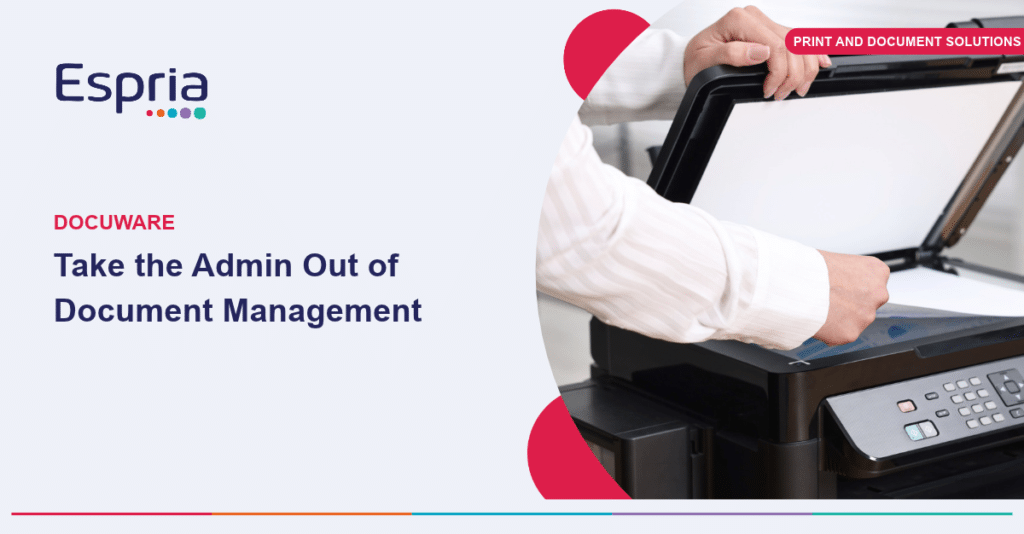
Beyond the Filing Cabinet: What Document Management Actually Saves You
Document Management for Small Offices with DocuWare For many small offices, document management still means a filing cabinet, a shared drive with inconsistent folder names, and a lot of time spent searching for the one contract or invoice somebody needs right now. DocuWare replaces that with a structured, searchable system that sits behind your everyday paperwork. What does DocuWare mean in practice? Giving Office Managers time back For an Office Manager who is often the person holding the whole administrative process together, this is time back. Fewer interruptions to find a document for a colleague,…
Copilot vs. Claude
Why Microsoft 365 Copilot fits every day work A plain-English guide for people trying AI at work: what Copilot does, how it differs from a separate assistant such as Claude and where to start. The short answer Claude is a separate AI workspace. Copilot sits inside the Microsoft apps many teams already use and can work with the emails, files and meetings each person is allowed to access. A separate assistant helps when: Copilot helps when: – You need help creating or developing content from scratch. – The task is focused research, reasoning or code….
Microsoft is changing Copilot billing. Here’s how to stay in control of AI costs
From 1 December 2026, new Microsoft 365 Copilot Business purchases through CSP will come with usage-based billing already configured. At first glance, that might sound like another variable cost for IT and finance teams to manage. But it also gives businesses a practical way to access the next generation of Copilot experiences while retaining control over who can use them, how much they can spend and where that money goes. This matters because Copilot is changing. New experiences such as Copilot Cowork are designed to carry out larger, multi-step pieces of work. That creates more…

Phishing just got personal
AI-powered phishing attacks are becoming harder to detect, with increasingly sophisticated emails bypassing traditional security controls. As a result, organisations are placing greater focus on Human Risk Management, recognising employee behaviour as a measurable cybersecurity risk. SecureLearn, powered by KnowBe4 and fully managed by Espria, helps businesses reduce human risk through continuous security awareness training, phishing simulations, targeted coaching, and board-ready reporting that demonstrates improvement over time.