
The Importance of Integration
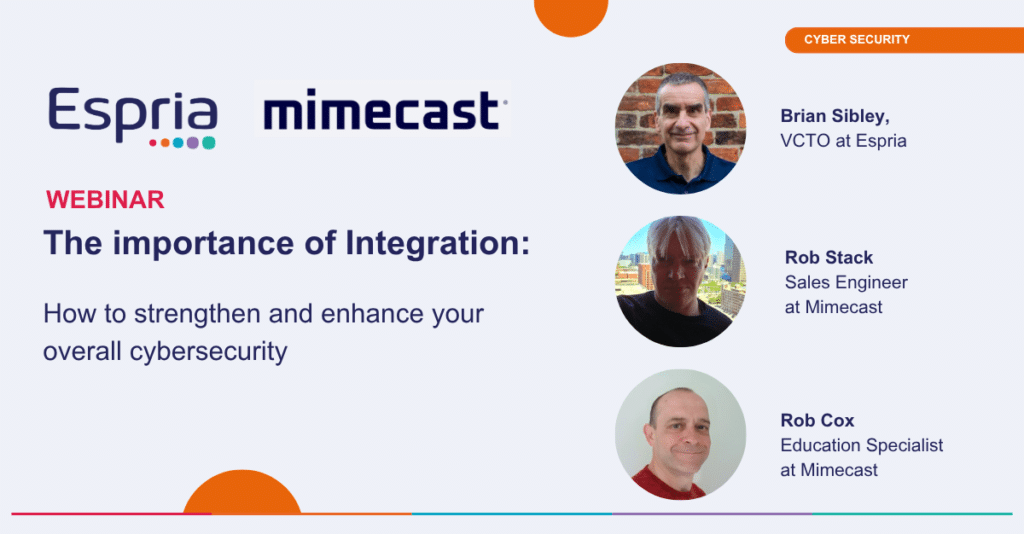
In the episode, you will learn why integrating different cybersecurity tools from various vendors is crucial for enhancing the overall strength and sophistication of cybersecurity measures. Modern integrations are much easier to implement, often requiring just a few clicks instead of writing code. This integration allows for the exchange of telemetry between different systems, providing a broader understanding of threats within an organisation. With many IT professionals preferring a single view of their organisation rather than managing multiple consoles, integration helps achieve this unified view. Integration can also help keep costs down by reducing the need to learn and manage multiple systems.
Enhanced security, practical insights into modern integrations, cost savings, user behaviour analysis, and a proactive approach to cybersecurity are all compelling reasons to listen to this podcast. By integrating cyber tools, organisations can significantly enhance their security posture, implement integrations with minimal effort, reduce the complexity of managing multiple systems, and mitigate risks through user behaviour analysis. This proactive approach can also lead to cost savings and positively impact cyber insurance premiums.
In episode 3 of our podcast series with Mimecast, the discussion revolves around the importance of integrating cybersecurity tools within educational institutions. The speakers, Rob Cox and Rob Stock from Mimecast and Brian Sibley from Espria, delve into the benefits and challenges of integrating various cyber tools to enhance the security posture of organisations, particularly in the education sector. The discussion begins by highlighting the significance of understanding the cybersecurity tools already in use within an organisation, particularly those in the education sector. The team emphasise that integrating tools from different vendors can strengthen the overall security framework and make the system more sophisticated, Brian adds that modern integrations are much easier to implement compared to the past, often requiring just a few clicks instead of writing code. This ease of integration allows for the exchange of telemetry between different systems, providing a broader understanding of threats within an organisation.
The speakers also discuss the concept of a “single pane of glass,” which refers to having a unified view of the organisation’s security status. This approach is preferred by IT professionals as it reduces the complexity of managing multiple consoles an helps in identifying and mitigating threats more efficiently. Additionally, integrating cybersecurity tools can help keep costs down by reducing the need to learn and manage multiple systems.
Another key point discussed is the human risk factor. The speakers stress the importance of understanding user behaviour and integrating this information into the broader telemetry of the organisation. This helps in identifying risky behaviours and educating users to mitigate potential threats. They also touch upon the impact of integrating cybersecurity tools on cyber insurance premiums. Demonstrating a proactive approach to cybersecurity through integration can positively influence insurance costs.
In summary, the episode underscores the critical role of integrating cybersecurity tools in enhancing security, reducing costs, and managing human risk. The team provide valuable insights into the practical aspects of integration and its benefits, making a compelling case for organisations to adopt a unified approach to cybersecurity.

Stay Ahead with Expert Insights from Espria
Be the first to hear about our latest podcasts and webinars, where we explore the evolving world of cybersecurity, digital transformation, and IT strategy. Join industry experts, thought leaders, and solution specialists as they share real-world challenges and practical advice to help your organisation thrive.
You may be interested in
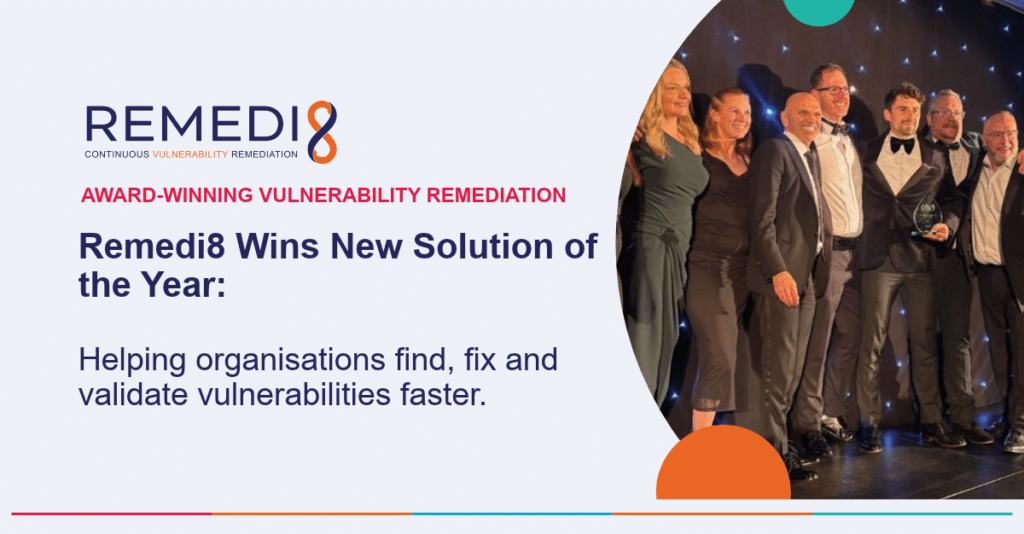
Espria Remedi8 Wins New Solution of the Year at the Computing Security Awards
Industry recognition for helping organisations reduce cyber risk through continuous vulnerability remediation London, 16 October 2026 Espria announced that Remedi8 has been named New Solution of the Year at the Computing Security Awards 2026. The award recognises Remedi8’s approach to one of the biggest challenges facing security and IT teams today: turning vulnerability data into completed remediation. Most organisations already have visibility of cyber risk. Vulnerability scanners and security monitoring tools can identify thousands of potential issues across the estate. The harder challenge is ensuring vulnerabilities are prioritised, remediated and validated before attackers have an…
Critical PHP vulnerabilities: do you know who owns the fix?
When websites and applications sit with different teams and suppliers, the first challenge is knowing who needs to act. Critical vulnerabilities have been disclosed affecting PHP, a technology widely used across websites, web applications and other software products. The technical advice is clear: identify affected systems and apply the available updates. But for many organisations, the first challenge is understanding where PHP is being used, who manages those systems and who is responsible for taking action. To help you identify potential exposure, we have created a PHP Security Checker to determine whether your systems have…

Phishing just got personal
AI-powered phishing attacks are becoming harder to detect, with increasingly sophisticated emails bypassing traditional security controls. As a result, organisations are placing greater focus on Human Risk Management, recognising employee behaviour as a measurable cybersecurity risk. SecureLearn, powered by KnowBe4 and fully managed by Espria, helps businesses reduce human risk through continuous security awareness training, phishing simulations, targeted coaching, and board-ready reporting that demonstrates improvement over time.

Why the Sophos–Microsoft Partnership Matters – Especially for Education, Financial Services and Legal Organisations
For most organisations today, Microsoft is the foundation of how you operate and on top of this there is also a requirement for regulatory compliance and operational resilience. Whether it’s Microsoft 365 for collaboration, Teams for communication, or Azure for infrastructure, these platforms sit at the heart of day-to-day business. But for sectors like Education, Financial Services, and Legal, that reliance comes with heightened risk, and responsibility. These organisations are not only prime targets for cyber attackers, they are also subject to strict regulatory, data protection and governance obligations. That’s why the partnership between Sophos…

Microsoft 365 E7: The Frontier Suite – What’s Changing, Why It Matters and How to Prepare
Microsoft has officially announced Microsoft 365 E7: The Frontier Suite, marking a major leap forward in enterprise productivity, automation and AI. With general availability for both Microsoft 365 E7 and Microsoft Agent 365 set for May 1, 2026, business leaders now have the clarity needed to plan their next move. What’s what: Microsoft 365 E7 is the new top-tier enterprise suite and Microsoft Agent 365 is a key AI-powered component within the E7 offering – not a rebrand, but a major capability addition. What’s Now Official Confirmed features Why This Matters Microsoft 365 E7: The Frontier Suite isn’t just a new…

Cyber Insurance is the New Compliance
Cyber Insurance Is Now Compliance; But UK Businesses Aren’t Ready As cyber threats surge and insurance requirements harden, cyber insurance has shifted from a safety net to a core component of business compliance. Yet many UK SMEs remain dangerously unprepared for the rising expectations of modern underwriters, risking denied claims, unaffordable premiums and serious operational fallout. Cyber Insurance is the New Compliance | RSS.com Cyber Insurers Are Becoming De Facto Regulators The traditional view of cyber insurance as paperwork is now obsolete. Insurers are no longer accepting self‑declared cybersecurity maturity, they require verifiable proof of…